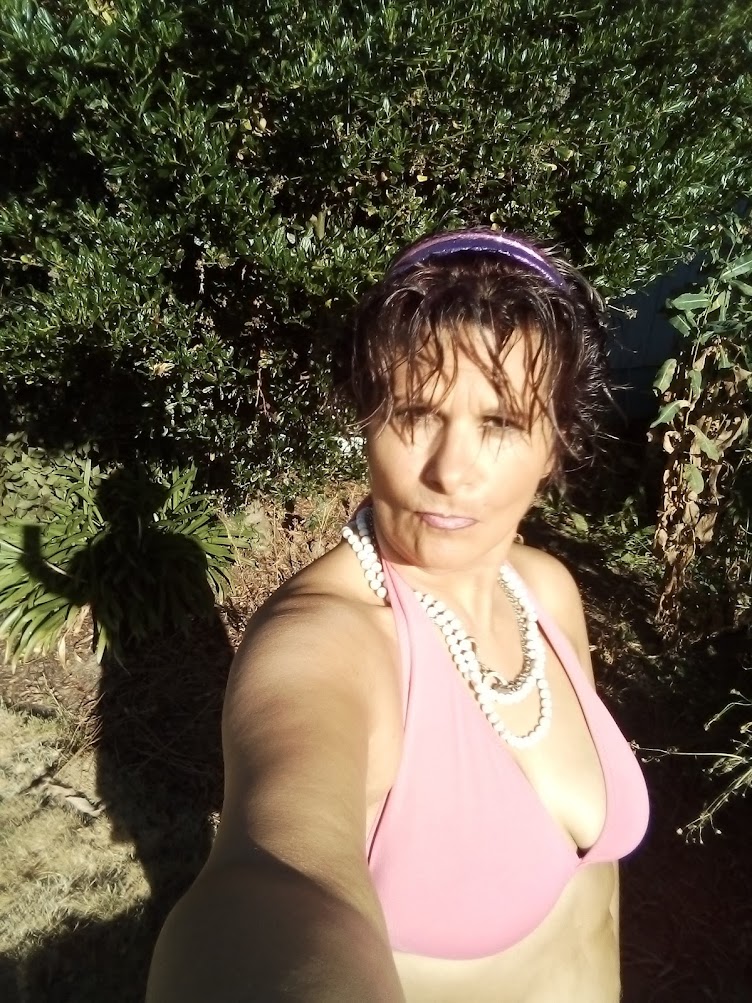
**#0382 The Naomi Lynn Tarot's and Fortune 🔮✨ teller and Dream catcher Visions and White Witch!

**#0382 The Naomi Lynn Star 💫 ✨ Tarot's and Fortune 🔮✨ teller and Dream catcher Visions and White Witch! I'm a Tarot card ♠️♦️ Reader and I also Make Spell books,witches Rune's and candle's and more and Im a Spiritual Walker and more since very young! ( This is a real picture I took in front of my house 🏡 in Milwaukee Oregon in May 2020 !from my cell phone anyways me and my kids and grandkids all have Fairy garden's so do you believe after seeing this picture?

Thursday, September 17, 2026

During the Old Kingdom of Egypt (circa 2686–2181 BCE), holidays and festivals were religious celebrations tied to the agricultural cycle of the Nile River and the divine power of the pharaoh Cosmic Balance (Ma'at): Egyptians believed festivals helped maintain ma'at (truth, balance, and cosmic order) by pleasing the gods and ensuring the continuation of life and nature The Nile's Flooding: Holidays honored the annual inundation (flooding) of the Nile, which left rich silt for farming and was viewed as a divine act of renewal and rebirth Royal Renewal: Celebrations reinforced the sacred, divine authority of the king, linking his rule directly to the favor of the gods to the Ancestors: Festivities included honoring the deceased with food and offerings at tombs to sustain spirits and secure their blessing Wepet-Renpet (Opening of the Year): The massive New Year's celebration marking the star Sirius rising and the start of the Nile flood, featuring grand meals, offerings, and royal appearances Sed Festival (Heb Sed): A royal jubilee held for a pharaoh after 30 years of rule (and periodically after) to renew the king's physical and divine strength to govern.The Sokar Festival: A solemn agricultural festival (which later merged with Osiris traditions) dedicated to the earth god Sokar, marking cycles of death and rebirth in the soil. The Old Kingdom of Egypt (c. 2686–2181 BCE) established a powerful central government and created monumental stone architecture like the Pyramids of Giza The Step Pyramid: Built at Saqqara for King Djoser by his architect Imhotep, marking the first major large-scale stone building. True Pyramids: King Sneferu perfected pyramid building with the Red Pyramid, leading directly to the construction of the Great Pyramid of Giza for Pharaoh Khufu. The Great Sphinx: Carved as a massive royal and symbolic monument during this era. Centralized Rule: Unified Egypt from a capital at Memphis, creating a stable political environment. Complex Bureaucracy: Developed an efficient system of regional administration, state-led taxation, and organized labor. Rise of Scribes: Created a new, educated class of scribes and officials who managed state resources Trade Networks: Expanded profitable trade routes with Nubia, the Sinai, and Levantine cities like Byblos to secure timber and luxury goods. Agricultural Control: Coordinated large irrigation projects along the Nile to maximize crop yields and feed a growing population. Christmas in Egypt is mainly celebrated on January 7 by Coptic Orthodox Advent Fast: Worshippers complete a strict 43-day vegan fast (known as the Holy Nativity Fast) starting in mid-November. No animal products: They abstain from meat, poultry, and dairy products as a form of spiritual discipline Church services: On January 6, families dress in new clothes and head to church for the long midnight mass. Hymns and prayers: Services feature traditional Coptic hymns and Bible readings that last well past midnight. Breaking the fast: Families return home late at night for a massive feast called Iftar. Fatta: The main dish is fatta, a savory mix of rice, crisp flatbread, boiled meat, and a rich garlic-vinegar sauce. Kahk: People bake and share kahk, which are sweet shortbread biscuits stuffed with nuts, dates, or sugar. Baba Noël: Father Christmas is known locally as Baba Noël. Children hope he climbs through windows and leave out small treats like kahk for him. Gifting money: Adults give children small monetary gifts or special envelopes (similar to Eidiya used during Eid) to celebrate By celebrating the gods and changing of the seasons, ancient Egyptians showed their love and appreciation for these greater powers The Legend of Sekhmet: Mythology tells of the warrior and healing goddess Sekhmet, who grew bloodthirsty while punishing humans. To save humanity, the sun god Ra tricked her by turning a vast field of beer red with pomegranate juice or red ochre. She drank it, fell asleep, and stopped the slaughter. Some modern pop culture and writers point to this blood-drinking story as an early precursor to vampire myths Ancient Mesopotamia (Sumer, Babylonia, and Assyria)Ekimmu: Considered by historians to be one of the earliest precursors to the vampire. These were the restless ghosts of people who suffered violent, unburied, or premature deaths. They were believed to return to the world of the living to feed on life essence, cause illness, and harass the living Empusae: Shape-shifting underworld demons sent by the goddess Hecate could transform into various shapes, and seduced young men before feasting on their flesh and draining their blood Lemures: Roman spirits of the restless dead who returned from the grave. While not strict blood-drinkers, they were feared household specters that required annual pacification festivals (Lemuria) to keep them from haunting the living The term vampire did not exist in ancient times. Blood drinking and similar activities were attributed to demons or spirits who would eat flesh and drink blood The modern idea of the vampire came from Eastern European folklore and 18th-century panic, though it was built on ancient stories of blood-drinking demoAncient Demons (Before 1000 AD) Mesopotamia: The earliest recorded ideas started with ancient spirits like Lilitu. Greece and Rome: People told tales of monsters like Lamia that attacked people in the dark. The Difference: ThesEastern European Folklore (1000–1700s) The Undead: The idea of a revenant—a dead body rising from the grave to hurt the living—started in Slavic and Balkan regions. First Writing: The word for vampire (upir) appeared in an Old Russian text in 1047. Real Panic: As the Queen's Gazette explains, communities faced real outbreaks of disease and decomposition they could not explain. This led to mass hysteria and villagers digging up bodies in the 1700se early creatures were viewed as gods or demons, not as dead humans who came back to life.ns

During the Old Kingdom of Egypt (circa 2686–2181 BCE), holidays and festivals were religious celebrations tied to the agricultural cycle of the Nile River and the divine power of the pharaoh Cosmic Balance (Ma'at): Egyptians believed festivals helped maintain ma'at (truth, balance, and cosmic order) by pleasing the gods and ensuring the continuation of life and nature The Nile's Flooding: Holidays honored the annual inundation (flooding) of the Nile, which left rich silt for farming and was viewed as a divine act of renewal and rebirth Royal Renewal: Celebrations reinforced the sacred, divine authority of the king, linking his rule directly to the favor of the gods to the Ancestors: Festivities included honoring the deceased with food and offerings at tombs to sustain spirits and secure their blessing Wepet-Renpet (Opening of the Year): The massive New Year's celebration marking the star Sirius rising and the start of the Nile flood, featuring grand meals, offerings, and royal appearances Sed Festival (Heb Sed): A royal jubilee held for a pharaoh after 30 years of rule (and periodically after) to renew the king's physical and divine strength to govern.The Sokar Festival: A solemn agricultural festival (which later merged with Osiris traditions) dedicated to the earth god Sokar, marking cycles of death and rebirth in the soil. The Old Kingdom of Egypt (c. 2686–2181 BCE) established a powerful central government and created monumental stone architecture like the Pyramids of Giza The Step Pyramid: Built at Saqqara for King Djoser by his architect Imhotep, marking the first major large-scale stone building. True Pyramids: King Sneferu perfected pyramid building with the Red Pyramid, leading directly to the construction of the Great Pyramid of Giza for Pharaoh Khufu. The Great Sphinx: Carved as a massive royal and symbolic monument during this era. Centralized Rule: Unified Egypt from a capital at Memphis, creating a stable political environment. Complex Bureaucracy: Developed an efficient system of regional administration, state-led taxation, and organized labor. Rise of Scribes: Created a new, educated class of scribes and officials who managed state resources Trade Networks: Expanded profitable trade routes with Nubia, the Sinai, and Levantine cities like Byblos to secure timber and luxury goods. Agricultural Control: Coordinated large irrigation projects along the Nile to maximize crop yields and feed a growing population. Christmas in Egypt is mainly celebrated on January 7 by Coptic Orthodox Advent Fast: Worshippers complete a strict 43-day vegan fast (known as the Holy Nativity Fast) starting in mid-November. No animal products: They abstain from meat, poultry, and dairy products as a form of spiritual discipline Church services: On January 6, families dress in new clothes and head to church for the long midnight mass. Hymns and prayers: Services feature traditional Coptic hymns and Bible readings that last well past midnight. Breaking the fast: Families return home late at night for a massive feast called Iftar. Fatta: The main dish is fatta, a savory mix of rice, crisp flatbread, boiled meat, and a rich garlic-vinegar sauce. Kahk: People bake and share kahk, which are sweet shortbread biscuits stuffed with nuts, dates, or sugar. Baba Noël: Father Christmas is known locally as Baba Noël. Children hope he climbs through windows and leave out small treats like kahk for him. Gifting money: Adults give children small monetary gifts or special envelopes (similar to Eidiya used during Eid) to celebrate By celebrating the gods and changing of the seasons, ancient Egyptians showed their love and appreciation for these greater powers The Legend of Sekhmet: Mythology tells of the warrior and healing goddess Sekhmet, who grew bloodthirsty while punishing humans. To save humanity, the sun god Ra tricked her by turning a vast field of beer red with pomegranate juice or red ochre. She drank it, fell asleep, and stopped the slaughter. Some modern pop culture and writers point to this blood-drinking story as an early precursor to vampire myths Ancient Mesopotamia (Sumer, Babylonia, and Assyria)Ekimmu: Considered by historians to be one of the earliest precursors to the vampire. These were the restless ghosts of people who suffered violent, unburied, or premature deaths. They were believed to return to the world of the living to feed on life essence, cause illness, and harass the living Empusae: Shape-shifting underworld demons sent by the goddess Hecate could transform into various shapes, and seduced young men before feasting on their flesh and draining their blood Lemures: Roman spirits of the restless dead who returned from the grave. While not strict blood-drinkers, they were feared household specters that required annual pacification festivals (Lemuria) to keep them from haunting the living The term vampire did not exist in ancient times. Blood drinking and similar activities were attributed to demons or spirits who would eat flesh and drink blood The modern idea of the vampire came from Eastern European folklore and 18th-century panic, though it was built on ancient stories of blood-drinking demoAncient Demons (Before 1000 AD) Mesopotamia: The earliest recorded ideas started with ancient spirits like Lilitu. Greece and Rome: People told tales of monsters like Lamia that attacked people in the dark. The Difference: ThesEastern European Folklore (1000–1700s) The Undead: The idea of a revenant—a dead body rising from the grave to hurt the living—started in Slavic and Balkan regions. First Writing: The word for vampire (upir) appeared in an Old Russian text in 1047. Real Panic: As the Queen's Gazette explains, communities faced real outbreaks of disease and decomposition they could not explain. This led to mass hysteria and villagers digging up bodies in the 1700se early creatures were viewed as gods or demons, not as dead humans who came back to life.ns

AI Overview During the Old Kingdom of Egypt (circa 2686–2181 BCE), holidays and festivals were religious celebrations tied to the agricultural cycle of the Nile River and the divine power of the pharaoh

During the Old Kingdom of Egypt (circa 2686–2181 BCE), holidays and festivals were religious celebrations tied to the agricultural cycle of the Nile River and the divine power of the pharaoh Cosmic Balance (Ma'at): Egyptians believed festivals helped maintain ma'at (truth, balance, and cosmic order) by pleasing the gods and ensuring the continuation of life and nature The Nile's Flooding: Holidays honored the annual inundation (flooding) of the Nile, which left rich silt for farming and was viewed as a divine act of renewal and rebirth Royal Renewal: Celebrations reinforced the sacred, divine authority of the king, linking his rule directly to the favor of the gods to the Ancestors: Festivities included honoring the deceased with food and offerings at tombs to sustain spirits and secure their blessing Wepet-Renpet (Opening of the Year): The massive New Year's celebration marking the star Sirius rising and the start of the Nile flood, featuring grand meals, offerings, and royal appearances Sed Festival (Heb Sed): A royal jubilee held for a pharaoh after 30 years of rule (and periodically after) to renew the king's physical and divine strength to govern.The Sokar Festival: A solemn agricultural festival (which later merged with Osiris traditions) dedicated to the earth god Sokar, marking cycles of death and rebirth in the soil. The Old Kingdom of Egypt (c. 2686–2181 BCE) established a powerful central government and created monumental stone architecture like the Pyramids of Giza The Step Pyramid: Built at Saqqara for King Djoser by his architect Imhotep, marking the first major large-scale stone building. True Pyramids: King Sneferu perfected pyramid building with the Red Pyramid, leading directly to the construction of the Great Pyramid of Giza for Pharaoh Khufu. The Great Sphinx: Carved as a massive royal and symbolic monument during this era. Centralized Rule: Unified Egypt from a capital at Memphis, creating a stable political environment. Complex Bureaucracy: Developed an efficient system of regional administration, state-led taxation, and organized labor. Rise of Scribes: Created a new, educated class of scribes and officials who managed state resources Trade Networks: Expanded profitable trade routes with Nubia, the Sinai, and Levantine cities like Byblos to secure timber and luxury goods. Agricultural Control: Coordinated large irrigation projects along the Nile to maximize crop yields and feed a growing population. Christmas in Egypt is mainly celebrated on January 7 by Coptic Orthodox Advent Fast: Worshippers complete a strict 43-day vegan fast (known as the Holy Nativity Fast) starting in mid-November. No animal products: They abstain from meat, poultry, and dairy products as a form of spiritual discipline Church services: On January 6, families dress in new clothes and head to church for the long midnight mass. Hymns and prayers: Services feature traditional Coptic hymns and Bible readings that last well past midnight. Breaking the fast: Families return home late at night for a massive feast called Iftar. Fatta: The main dish is fatta, a savory mix of rice, crisp flatbread, boiled meat, and a rich garlic-vinegar sauce. Kahk: People bake and share kahk, which are sweet shortbread biscuits stuffed with nuts, dates, or sugar. Baba Noël: Father Christmas is known locally as Baba Noël. Children hope he climbs through windows and leave out small treats like kahk for him. Gifting money: Adults give children small monetary gifts or special envelopes (similar to Eidiya used during Eid) to celebrate By celebrating the gods and changing of the seasons, ancient Egyptians showed their love and appreciation for these greater powers The Legend of Sekhmet: Mythology tells of the warrior and healing goddess Sekhmet, who grew bloodthirsty while punishing humans. To save humanity, the sun god Ra tricked her by turning a vast field of beer red with pomegranate juice or red ochre. She drank it, fell asleep, and stopped the slaughter. Some modern pop culture and writers point to this blood-drinking story as an early precursor to vampire myths Ancient Mesopotamia (Sumer, Babylonia, and Assyria)Ekimmu: Considered by historians to be one of the earliest precursors to the vampire. These were the restless ghosts of people who suffered violent, unburied, or premature deaths. They were believed to return to the world of the living to feed on life essence, cause illness, and harass the living Empusae: Shape-shifting underworld demons sent by the goddess Hecate could transform into various shapes, and seduced young men before feasting on their flesh and draining their blood Lemures: Roman spirits of the restless dead who returned from the grave. While not strict blood-drinkers, they were feared household specters that required annual pacification festivals (Lemuria) to keep them from haunting the living The term vampire did not exist in ancient times. Blood drinking and similar activities were attributed to demons or spirits who would eat flesh and drink blood The modern idea of the vampire came from Eastern European folklore and 18th-century panic, though it was built on ancient stories of blood-drinking demoAncient Demons (Before 1000 AD) Mesopotamia: The earliest recorded ideas started with ancient spirits like Lilitu. Greece and Rome: People told tales of monsters like Lamia that attacked people in the dark. The Difference: ThesEastern European Folklore (1000–1700s) The Undead: The idea of a revenant—a dead body rising from the grave to hurt the living—started in Slavic and Balkan regions. First Writing: The word for vampire (upir) appeared in an Old Russian text in 1047. Real Panic: As the Queen's Gazette explains, communities faced real outbreaks of disease and decomposition they could not explain. This led to mass hysteria and villagers digging up bodies in the 1700se early creatures were viewed as gods or demons, not as dead humans who came back to life.ns

During the Old Kingdom of ancient Egypt (c. 2575–2150 BCE), an ennead was a sacred grouping of nine deities used to explain creation and the cosmic order

During the Old Kingdom of ancient Egypt (c. 2575–2150 BCE), an ennead was a sacred grouping of nine deities used to explain creation and the cosmic order The Ennead ConceptMeaning: The number nine symbolized plurality or completeness in ancient Egyptian thought.Heliopolis Group: The most famous was the Great Ennead of Heliopolis.Main Gods: This group included the sun god Re-Atum, air/moisture gods Shu and Tefnut, earth/sky deities Geb and Nut, and the family of Osiris, Isis, Seth, and Nephthys.Origin: These divine groupings likely date back to the 3rd Dynasty (c. 2650–2575 BCE). Core Old Kingdom BeliefsThe Pharaoh's Role: Egyptians believed the living pharaoh was an incarnation of the falcon god Horus.Cosmic Order: The universe operated in cycles, and the king worked to maintain stability against chaos.The Ka (Soul): People believed a person's life force, or ka, was created at birth and needed continuous sustenance through food and drink offerings after death.Pyramid Age: Kings built grand pyramids to secure their divine journey into the afterlife. he creation story of Heliopolis) pyramid texts and mummification) Old Kingdom gods with later dynasties The divine order of the Old Kingdom in Egypt was governed by the foundational concept of Ma'at, which represented cosmic balance, truth, justice, and universal harmony. During this era (c. 2686–2181 BCE), the entire state structure, religion, and daily life were organized around maintaining this divine order, with the Pharaoh serving as the vital link between humanity and the gods.Here is a breakdown of how the divine order was structured and maintained during the Old Kingdom: Ma'at: The Core PrincipleCosmic Balance: Ma'at was both an abstract concept and personified as a goddess wearing an ostrich feather. It was the cosmic glue that kept the stars in motion, the Nile flooding predictably, and society functioning peacefully.Prevention of Chaos: The opposite of Ma'at was Isfet (chaos, injustice, and violence). Every action taken by the state or an individual was meant to suppress Isfet and uphold Ma'at. The Pharaoh as a Living GodDivine Kingship: The Pharaoh was not just a mediator; he was viewed as a living god on Earth. Specifically, he was considered the earthly manifestation of Horus (the god of kingship) while alive, and became Osiris (the god of the underworld) upon death.The Chief Priest: As the ultimate high priest of every temple, the king was theoretically the only person who could directly interact with the gods. He delegated this authority to regional priests to perform daily rituals that kept the cosmos happy.The Maintainer of Order: The king’s primary duty was to ensure Ma'at was maintained through law, military defense, and proper religious worship. The Pantheon and State ReligionThe Rise of Ra: During the Old Kingdom (especially the 4th and 5th Dynasties), the sun god Ra rose to supreme prominence. Kings began taking the title "Son of Ra," anchoring their divine right directly to the life-giving sun.The Ennead: The theological system of Heliopolis, centering on a group of nine deities (the Ennead), helped explain the creation of the universe and the establishment of divine order out of primeval chaos. The Pyramids as Cosmic AnchorsResurrection Machines: The massive pyramids built during this era (such as the Great Pyramid of Giza) were not just tombs. They were spiritual, architectural conduits designed to launch the deceased king's soul into the afterlife.Ensuring Continuity: By securing the king's smooth transition into the afterlife to join the gods, the state guaranteed that the divine order on Earth would continue uninterrupted under the next ruler. The Vizier: Directly below the pharaoh was the Vizier, who acted as the prime minister. The Vizier was often called the "Priest of Ma'at" because their judicial and administrative duties were explicitly framed as enacting divine justice on Earth.Hierarchy as Divine Will: The rigid social stratification—from the pharaoh down to the elite scribes, craftsmen, and farmers—was viewed as a natural, divinely ordained hierarchy necessary to keep society stable. divine order daily rituals priests performed to maintain Ma'at Ancient Egyptians believed in a polytheistic religion centered on maintaining cosmic order, preparing for an eternal afterlife, and honoring a vast pantheon of gods Many Deities: Egyptians worshipped over a thousand gods and goddesses who controlled natural forces and human life. Ra: The sun god who traveled across the sky daily, bringing light and life. Osiris and Isis: Osiris ruled the underworld and the dead, while his wife Isis embodied magic, motherhood, and resurrection. Anubis: The jackal-headed god who oversaw mummification and guided souls Ma'at (Cosmic Order) Balance and Truth: Ma'at was the fundamental concept of truth, cosmic balance, justice, and harmony. Role of the Pharaoh: The pharaoh acted as a divine mediator between the people and the gods to maintain Ma'at and push back chaos Eternal Journey: Life on Earth was viewed as a preparation for a mirror-image afterlife. Mummification: Preserving the physical body through mummification was vital so the soul (ka) could recognize and inhabit it. Weighing of the Heart: In the underworld, the deceased's heart was weighed against the feather of Ma'at to judge their earthly morality before entering paradise. tick toTimekeeping in the Old KingdomThe phrase "tick-tock" is a modern, onomatopoeic English sound for the mechanical movement of a clock, which did not exist in ancient times. ck in old kingdom of egypt Measuring Time: The people of the Old Kingdom tracked time using astronomical observation and shadow clocks, or merkhets (astronomical tools using a plumb-line), rather than mechanical clocks or ticking devices Daily Cycles: Time was viewed through cyclical religious and natural events—such as the flooding of the Nile and the movement of the sun—rather than standard ticking seconds specific hieroglyph, artifact, or historical text The meaning "recurring clicking sound made by the mechanism of a clock" is probably attested by 1540s; hence "time between two ticks of a clock or watch" (1879 What it Governs: It is the time of Osiris, the god of the afterlife. It is the time of the dead, monuments, and timeless traditions

Ouija Witch (2023) [Horror] [Mystery] 🪄 A Dark Pact: Revenge of the Evil Witch | Full Movie

https://youtu.be/3pxSaMZWLk8?si=xT7-by64Sn3YKHb_

Witches: Masters of Time and Space (2022) [Documentary] 🧙🏻‍♀️ Ancient Powers and Modern Mysteries

https://youtu.be/kQW8-rjKVqo?si=QkhaZrQW5rReotmn

The Book of the Witch | Full Movie | Horror | Suspense

https://youtu.be/z0eWxlK8DCk?si=ONzJJhddmyj2p2CE

SANDS OF TIME AND ALL THAT JAZZ.

THE VEIL | A Supernatural Mystery

https://youtu.be/qVtV42truOA?si=QG8tW7tCD0SuVT-6