**#0382 The Naomi Lynn Tarot's and Fortune ๐Ÿ”ฎโœจ teller and Dream catcher Visions and White Witch!

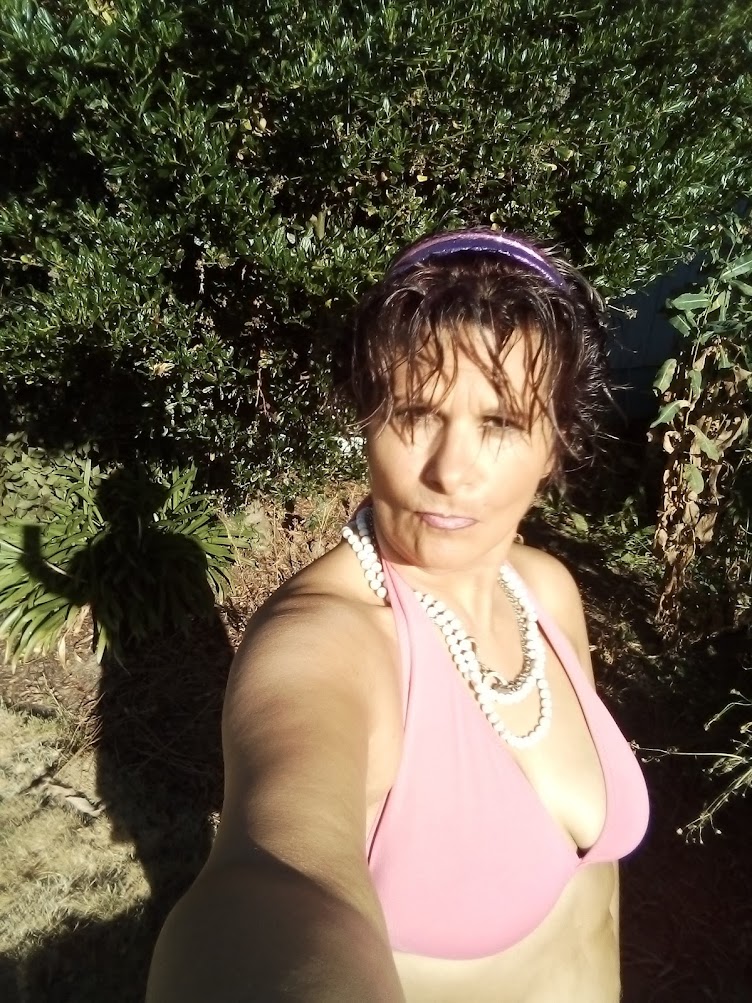
**#0382 The Naomi Lynn Star ๐Ÿ’ซ ✨ Tarot's and Fortune ๐Ÿ”ฎ✨ teller and Dream catcher Visions and White Witch! I'm a Tarot card ♠️♦️ Reader and I also Make Spell books,witches Rune's and candle's and more and Im a Spiritual Walker and more since very young! ( This is a real picture I took in front of my house ๐Ÿก in Milwaukee Oregon in May 2020 !from my cell phone anyways me and my kids and grandkids all have Fairy garden's so do you believe after seeing this picture?

Sunday, June 7, 2026

https://youtu.be/uDzr3X3yAZU?si=yBkkPgXclk03oeSR
https://youtu.be/Bh-M1Kdn6iA?si=g5kWL7-J951bBGfO
https://youtu.be/Bh-M1Kdn6iA?si=wd1O0HDn2u-1ZiMM
https://youtu.be/-jfvF6b_q2U?si=vp3Wcck8MkTf-6sC
The Rule of Three (or the Threefold Law) is an ethical tenet stating that whatever magical energy, action, or intent you put out into the universe will return to you multiplied by three. It serves as a guiding principle of personal responsibility in many modern witchcraft traditions, particularly in Wicca. The Principle: If you perform helpful or positive magic, you will receive three times the positivity in return. Conversely, if you cast a hex, curse, or cause harm, that negativity will come back to you threefold. unless someone else did it to you first to cause you harm and pain , then you can do whatever you want.Variations: While some interpret the multiplier literally, many witches view "three" as symbolic—meaning that your actions will come back to you on the levels of body, mind, and spirit, or as a repeating karmic cycle until you learn the lesson. The Rule of Three is closely tied to the Wiccan Rede, famously summarized by the phrase, "An it harm none, do what ye will." Together, these two concepts frame a moral compass for many practitioners: you are free to practice magic, provided you are causing no harm, because you will be held accountable for the energy you release. unless someone causes you harm first, but who really cares anymore after all the people who messed with my beautiful life for no reason at all over the years, so who is to say god be with you all, hahahahhahahhahh.
June centers on Litha (the Summer Solstice), marking the zenith of the sun's power. The month is defined by fire magic, herb gathering, fae celebrations, and powerful lunar events.

Early June: Begins the Celtic Tree Month of Oak (strength, vitality).Mid-June: New Moon in Gemini (curiosity, intention-setting).June 20–21: Litha/Summer Solstice (peak solar energy).Late June: Fae/elemental celebrations, Summer Solstice rites, and the Full Strawberry Moon in Capricorn.Local Portland Events (June 20)Several workshops and gatherings for the Solstice are hosted by local shops like Seagrape Apothecary and The Raven's Wing Magical Co..To prepare for Litha, I can provide information on gathering magical herbs or setting up a sun altar.( i probally wont be at these work shops but i guess you never know)June centers on Litha (the Summer Solstice), marking the zenith of the sun's power. The month is defined by fire magic, herb gathering, fae celebrations, and powerful lunar events.

A skinwalker is a malevolent, shapeshifting witch from Navajo Culture who can transform into, possess, or disguise themselves as an animal. What is a Skinwalker?The Name: In the Navajo language, a skinwalker is called yee naaldlooshii, which translates to "by means of it, it goes on all fours". Origins: According to tradition, they are humans—often corrupt practitioners or witches who use manipulative magic—rather than supernatural monsters. They stand as the absolute antithesis of traditional Navajo cultural values and healing practices they are rather nice people till one day some one steals there lives and they the accussers have all hell to pay They can turn into animals such as coyotes, wolves, bears, foxes, and owls, typically by wearing the pelt or skin of that creature. This transformation allows them to move swiftly, spy on people, and spread harm or disease. Many Navajo people are deeply reluctant to discuss skinwalkers with outsiders—or even among themselves. Superstition: There is a widespread belief within the culture that openly speaking about or naming these malevolent entities can draw their attention or bring bad luck Pop culture depictions (such as in movies, books, or internet folklore) often misrepresent or sensationalize these sacred tribal beliefs, which many Indigenous people find deeply disrespectful. Yes, skinwalkers in Navajo folklore can be female, though traditional stories and accounts more frequently describe them as male About SkinwalkersThe Name: In the Navajo language, a skinwalker is called yee naaldlooshii, which translates to "by means of it, he goes on all fours".Who They Are: They are not monsters or cryptids by original definition. They are human witches who use dark magic for evil purposes.Abilities: They can shape-shift into animals like wolves, coyotes, foxes, or bears, often by wearing the skin or pelt of that animal.How They Become One: A person must go through a secret initiation that requires a terrible act, such as killing a close family member Traditional teachings state that a skinwalker can be either male or female.Frequency: Historical and oral accounts note that most suspected or described witches in the culture were male rather than female, but female practitioners do exist in the lore. Cultural SensitivityPrivate Tradition: Many Navajo (Dinรฉ) people prefer not to discuss skinwalkers with outsiders, and traditional belief holds that speaking about them can invite bad luck or draw their attention Respect: Indigenous writers and community members often ask outsiders to respect these serious cultural beliefs rather than treat them like fictional internet monsters